Essay · April 2026
Why growth breaks organizations
Growth is the universal aspiration. It is also what breaks most companies. The culprit is hiding in plain sight.
Growth is the universal aspiration of leaders. Paradoxically, it is also what breaks most organizations. As revenue and headcount expand, complexity multiplies. Processes that worked at ten locations fail at fifty. Decisions that could be made informally now require coordination across functions and geographies. Without a deliberate operating system, growth becomes a centrifuge that tears the business apart.
The hidden culprit: decision latency
Decision latency is the time between recognizing that conditions have changed and taking effective action. Companies invest in visibility — dashboards, tracking, alerts — and still suffer stock-outs, margin erosion, and service failures because decision rights and escalation paths are unclear. Growth exacerbates the problem. More data flows. More meetings happen. But who is authorized to act? Decisions get pushed to next week. The company celebrates revenue while the competitive advantage slips.
Growth is not the enemy. Unmanaged growth is.
Misalignment, compounded
Growing enterprises accumulate legacy processes and conflicting goals. Departments optimize for their own metrics. Highly aligned organizations grow revenue faster and earn more. Growth without alignment multiplies the misalignment tax. Instead of scaling impact, the company scales confusion.
An architecture of judgment
Preventing growth from breaking the business means building an architecture of judgment — a system that keeps decision loops tight as scale increases. Who decides what. How information flows. When escalation happens. How learning is captured. Meeting cadences designed around decision cycles, not status updates. Tools like HALO and LEO synthesizing signals and proposing actions, compressing decision latency. Shared metrics and operating principles, so growth amplifies purpose instead of diluting it.
With the right operating system, organizations scale gracefully — preserving agility while expanding reach. Without it, growth simply accelerates the breakdown of judgment and culture. Leaders have to decide which path they're on.
About the author
Rob Nicoletti
Founder, create human
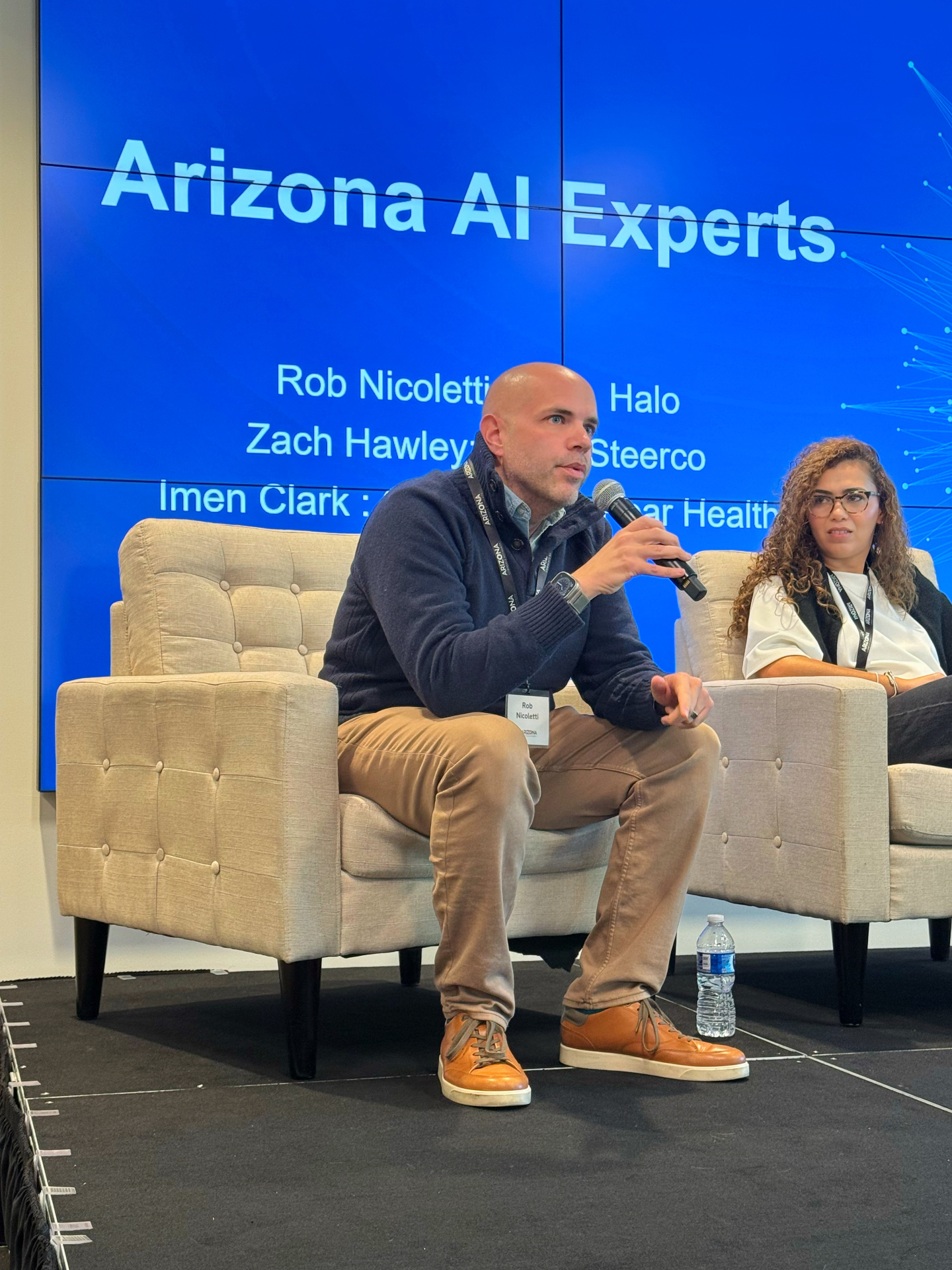
Rob is the founder of create human and the architect behind HALO. He has spent the last two decades inside operating teams — building, scaling, and occasionally rescuing them — and writes here about AI, leadership, and what it takes to build organizations where humans become greater, not smaller.
Newsletter
Get the next essay in your inbox.
One email when the next piece of writing lands. No marketing, no list-sharing.