Essay · June 2026
The hidden tax of misalignment
Every organization pays it. Almost none of them see it on the P&L.
Every organization pays taxes. Some are obvious: payroll, real estate, software. The most dangerous one is invisible — the tax of misalignment. When priorities clash, information doesn't flow, and teams operate in silos, time and energy disappear. Leaders feel productive. The enterprise is quietly bleeding.
Organizations with high alignment see revenue grow 58% faster and profitability rise 72% compared with misaligned peers. That gap compounds over years. Misalignment manifests in conflicting executive agendas, fragmented communication, and reactive firefighting. Instead of a clear decision system, teams get caught in endless loops: more meetings, more status updates, more reports that rarely change outcomes.
Misalignment is expensive precisely because it hides in busyness.
A new flavor, courtesy of AI
AI has introduced a new shape of misalignment. Almost 40% of AI-driven productivity gains are wiped out by rework and low-quality output. Only 14% of employees achieve net-positive outcomes. The time saved by automation is partially negated by the time spent verifying, correcting, and rewriting what the machine produced. Leaders tout gross efficiency — the hours saved — and ignore the rework, creating a false sense of progress.
Why it stays hidden
You rarely see a line on the P&L for 'lost days due to confusion.' Meeting cadences built around weekly status updates keep people occupied but seldom resolve root issues. Decision latency grows. By the time the right people agree, the window has closed. Visibility without responsiveness leads to stock-outs, margin erosion, and service failures. The problem isn't a lack of dashboards. It's the absence of mechanisms that turn signals into coordinated action.
What it takes to fix
Fixing misalignment requires more than a strategy document. Define what winning looks like and connect every team's work to it. Unify the executive team. Codify the decision system. Institutionalize alignment in the meeting cadence and the accountability review. The alternative is the silent tax that keeps compounding, year after year, until growth stalls and culture erodes.
About the author
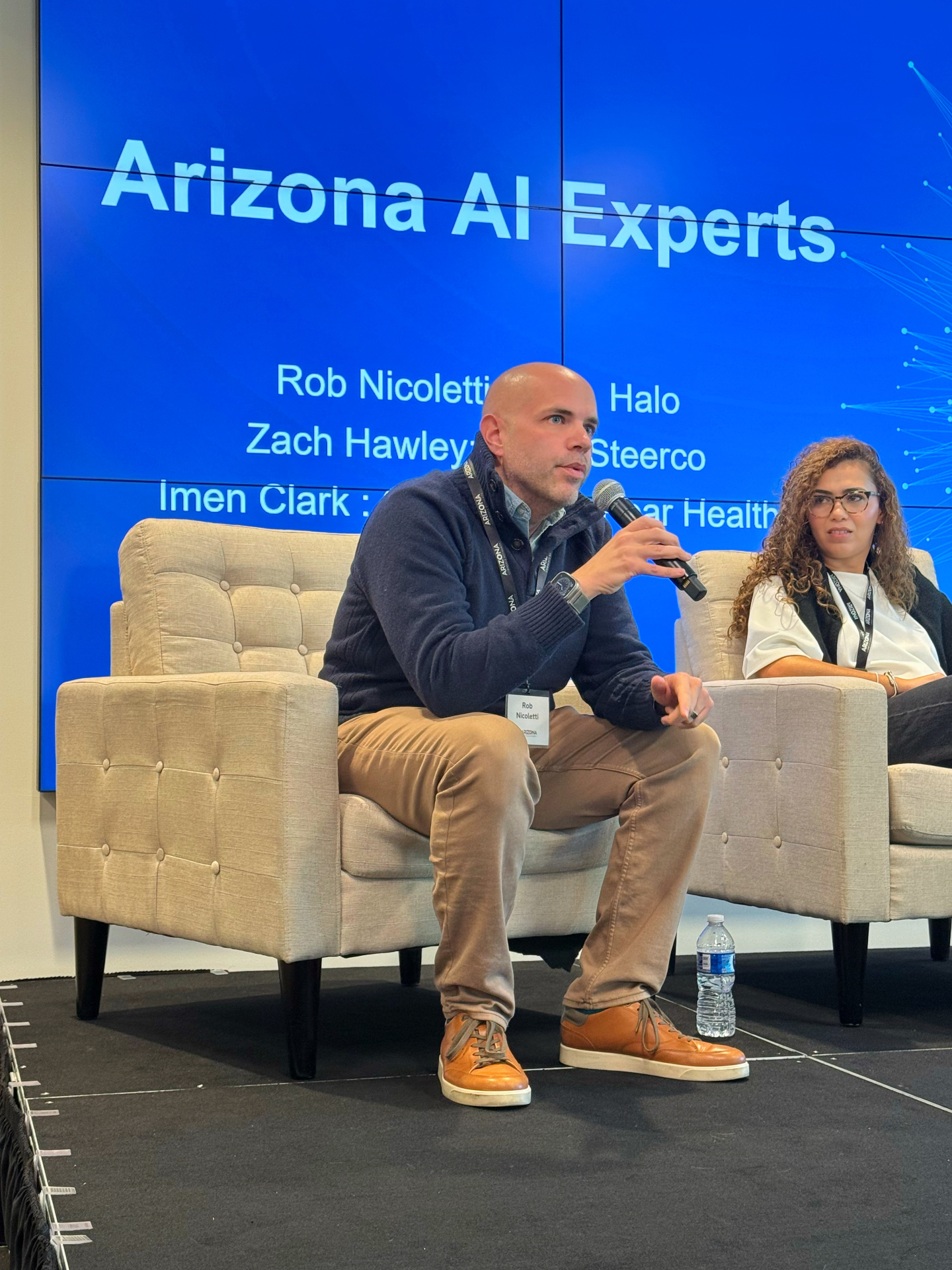
Rob Nicoletti
Founder, create human
Rob is the founder of create human and the architect behind HALO. He has spent the last two decades inside operating teams — building, scaling, and occasionally rescuing them — and writes here about AI, leadership, and what it takes to build organizations where humans become greater, not smaller.
Newsletter
Get the next essay in your inbox.
One email when the next piece of writing lands. No marketing, no list-sharing.